Discussing disinformation and media with Matt Sheffield
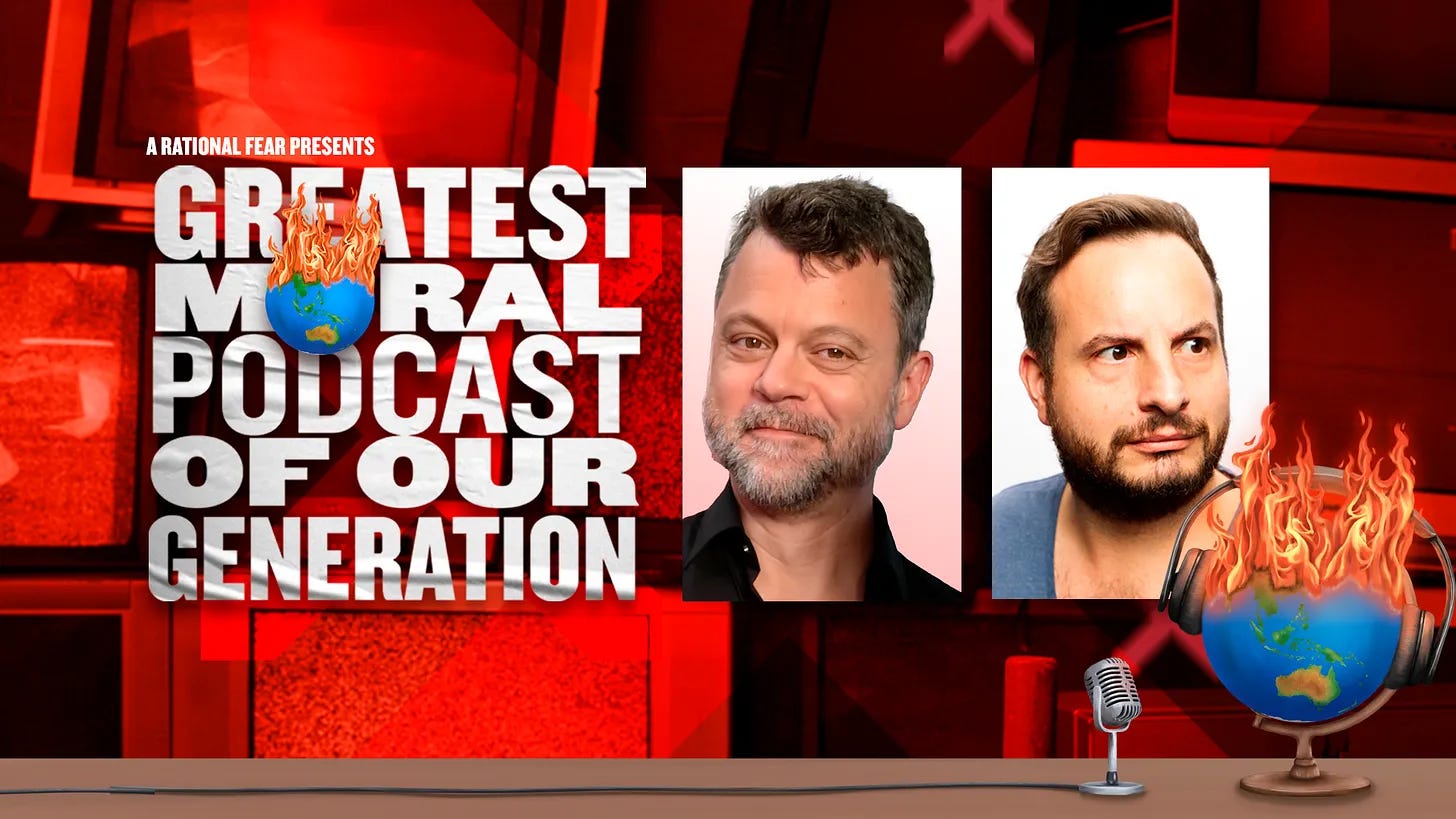
In this episode, right-wing media critic Matt Sheffield and I discuss the disinformation crisis and the climate change crisis, and how they are deeply intertwined.
(PDF transcript)
(Active transcript)
Text transcript:
David Roberts
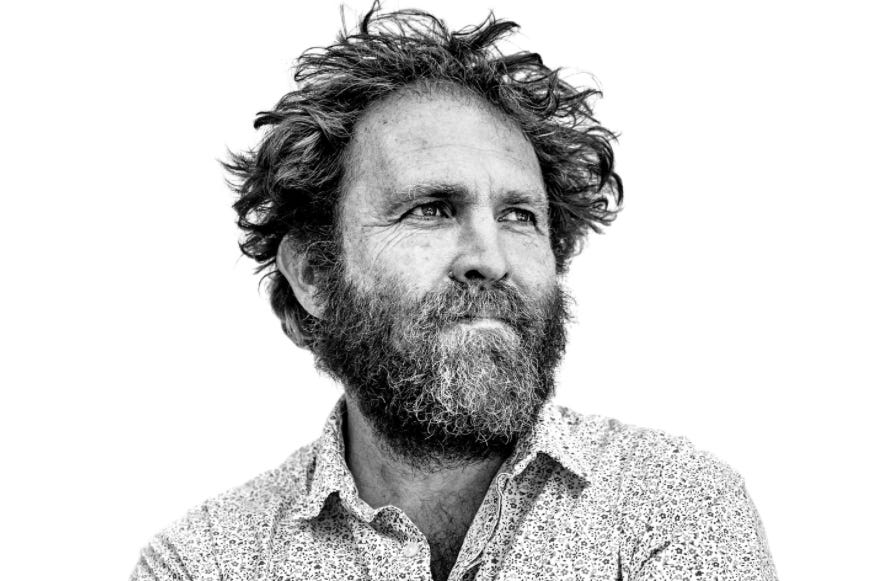
Matt Sheffield started his first conservative media website, bashing news anchor Dan Rather for liberal bias, way back in 2000, and in subsequent years became a key figure in right-wing media criticism.
But the rise of Trump left him disillusioned and he has since become a prominent critic of right-wing media. He now runs a site called Flux dedicated to accurate, inclusive journalism.
Last week, Matt and I got together on one of these live Twitter Spaces things — a glorified conference call, basically, to which people can tune in and ask questions — and had a wide-ranging conversation about the disinformation crisis, how it manifested in climate change, and what can be done about it.
The audio was archived, available exclusively to Flux and Volts subscribers. I hope you enjoy it.
Matt Sheffield
We're doing a space tonight to discuss climate change and the birth of the disinformation economy. And David has been a longtime climate change correspondent and environmental columnist for a while, and he's also the proprietor and publisher, writer, et cetera, of Volts, a newsletter, which he started one year ago today, which he was just recounting that for our previous space, which I accidentally ended somehow. So your experience overall has been pretty good, you were saying? And I think I ended the space inadvertently right after you said you work better alone.
David Roberts
Yes —
Matt Sheffield
I inadvertently proved your point, I think.
David Roberts
Yes. This is why I don't talk to people. Yeah, it's been going great. I have found that readers are excited to go deeper and wonkier and share my obsessions. I'm sure different writers have different opinions about this, but I much prefer it over writing for a general interest publication.
Matt Sheffield
And you wrote a retrospective on your site today that — one of the things you said is that you appreciated not having to reintroduce topics over and over again in terms of — you assume that your current readers actually know who you are and something about the material, I guess.
David Roberts
Right, yes. It's the famed return to blogging. It is a persistent audience who will follow me over time and thus who I don't have to explain that climate change is bad in every post anymore.
Matt Sheffield
Yeah. And I guess it's a way of trying to have a continued conversation rather than one that starts over de novo every time. Right?
David Roberts
Yes. And it's explicitly I mean, I did it knowing that I would be writing for a much smaller audience. It's not a mass audience play. It's very much for a self-selecting group of people who are more than average interested in my subject matter. So I think it can still have influence because I think the people who do read it are sprinkled throughout the world, the energy world, in high places. But I've basically transitioned away from mass writing, I guess is what I'd say.
Matt Sheffield
So now, before you were doing just for those again who hadn't seen what you were doing before you were working at Vox and then before that you were working at Grist, which is a website that's still out there doing climate coverage. How is it different now compared to your Grist days would you say?
David Roberts
Oh goodness. Well for one thing I didn't know what the hell I was doing back in my Grist days. I was hired at Grist as an editorial assistant in I think like 2004 with no backg