The progressive take on the permitting debate
In this episode, Johanna Bozuwa of the Climate and Community Project shares a progressive vision for permitting reform and the factors that could speed up the US clean-energy buildout.
(PDF transcript)
(Active transcript)
Text transcript:
David Roberts
To achieve its Paris climate targets, the US is going to have to build out an enormous amount of clean energy and clean-energy infrastructure in coming years. But that buildout is going slowly — painfully, excruciatingly slowly — relative to the pace that is necessary.
This has given rise to considerable debate on the left over what, exactly, is slowing things down. Much of that debate has come to focus on permitting, and more specifically, on permitting under the National Environmental Policy Act, or NEPA.
A deal that would have put some restrictions on NEPA in exchange for reforms to transmission planning was effectively killed by progressives toward the end of the last congressional session, leading many people inside and outside the climate movement to accuse progressives of being The Problem. They are so attached to slowing down fossil fuel development with NEPA, the accusation goes, that they are willing to live with it slowing clean energy. And that’s a bad trade.
Progressives, not surprisingly, disagree! Their take on the whole permitting debate is summarized in a new paper from the Roosevelt Institute and the Climate and Community Project: “A Progressive Vision for Permitting Reform.”
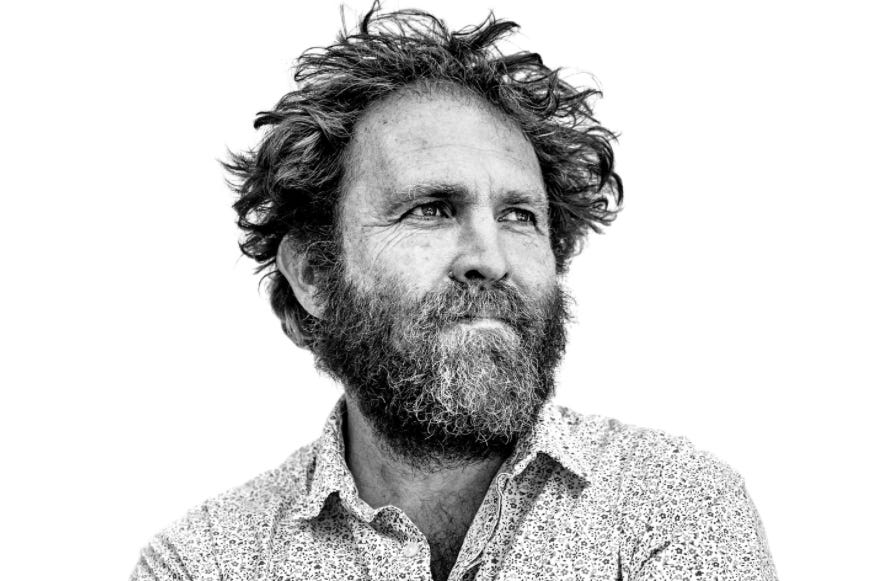
The title is slightly misleading, since one of the central points of the paper is that permitting under NEPA is only a small piece of the puzzle — there are many other factors that play a role in slowing clean energy, and many other reforms that could do more to speed it up. I called up one of the paper’s co-authors, Johanna Bozuwa of the Climate and Community Project, to ask her about those other reforms, the larger political debate, and the progressive community’s take on speed.
All right, then. With no further ado, Johanna Bozuwa from the Climate and Community Project. Welcome to Volts, and thank you so much for coming.
Johanna Bozuwa
Thank you so much for having me, David.
David Roberts
This is a hot topic, as you're well aware, permitting and the larger issues around it. And so, before we jump into specifics, I wanted to start with a few sort of broad, call them philosophical, questions.
Johanna Bozuwa
Perfect.
David Roberts
As you know, progressives have been under quite a bit of fire lately, not only from their typical opponents on the right and in the fossil fuel industry, but from a lot of sort of centrists and even a lot of sort of allies in the climate movement. For — I think the general idea is they are too attached to stopping fossil fuels and not yet supportive enough of building out renewable energy. And the mechanisms that they rely on to slow and stop fossil fuels are also slowing and stopping renewable energy. And so I think the general critique is that they ought to swing around and be more pro-building and loosen these requirements, et cetera, et cetera. I'm sure you've heard all this.
Johanna Bozuwa
Yes.
David Roberts
So I guess I'd just start with this question. Is, do you think the progressive — and by the way, I meant to say this by way of a caveat, I'm going to be sort of using you as a spokesperson for progressivism, which I think we both realize is ridiculous.
Johanna Bozuwa
Right, exactly.
David Roberts
Progressives are heterogeneous just like anybody else. There's no official progressive position. But as a crude, let's just say as a crude instrument here, we're going to ask you to speak for that perspective as you see it.
Johanna Bozuwa
Perfect.
David Roberts
So in your opinion, do y