A clean energy transition that avoids environmentally sensitive land
In this episode, Jessica Wilkinson and Nels Johnson of The Nature Conservancy discuss the pathway they see for a rapid, low-cost clean energy transition that minimizes impact on environmentally sensitive land.
(PDF transcript)
(Active transcript)
Text transcript:
David Roberts
A great deal of confused and misleading information is circulating about the land-use requirements of the energy transition. Everyone agrees that building the amount of clean energy necessary to reach net zero carbon emissions by 2050 will require an enormous amount of land.
But is there enough land? Will the transition require industrializing green fields and virgin forests and other environmentally or culturally sensitive lands? Can the energy transition be done big enough and fast enough while still remaining respectful of natural resources and other species? What mix of technologies will go most lightly on the environment?
To provide a definitive answer to these questions, The Nature Conservancy launched its Power of Place project — first in California, then for the greater American West, and now, this week, for the entire nation.
Using various metrics related to wildlife, ecosystems, cultural resources, and protected natural areas, the Power of Place project attempts to comprehensively map out sensitive land areas. It then tallies up the amount of clean energy required to reach net zero by 2050 and tries to match those needs to the available lands, to see if there is a pathway to net zero that protects them.
The good news is that, with some wise planning, the amount of environmentally sensitive land impacted by a business-as-usual clean-energy transition can be substantially reduced at relatively low cost.
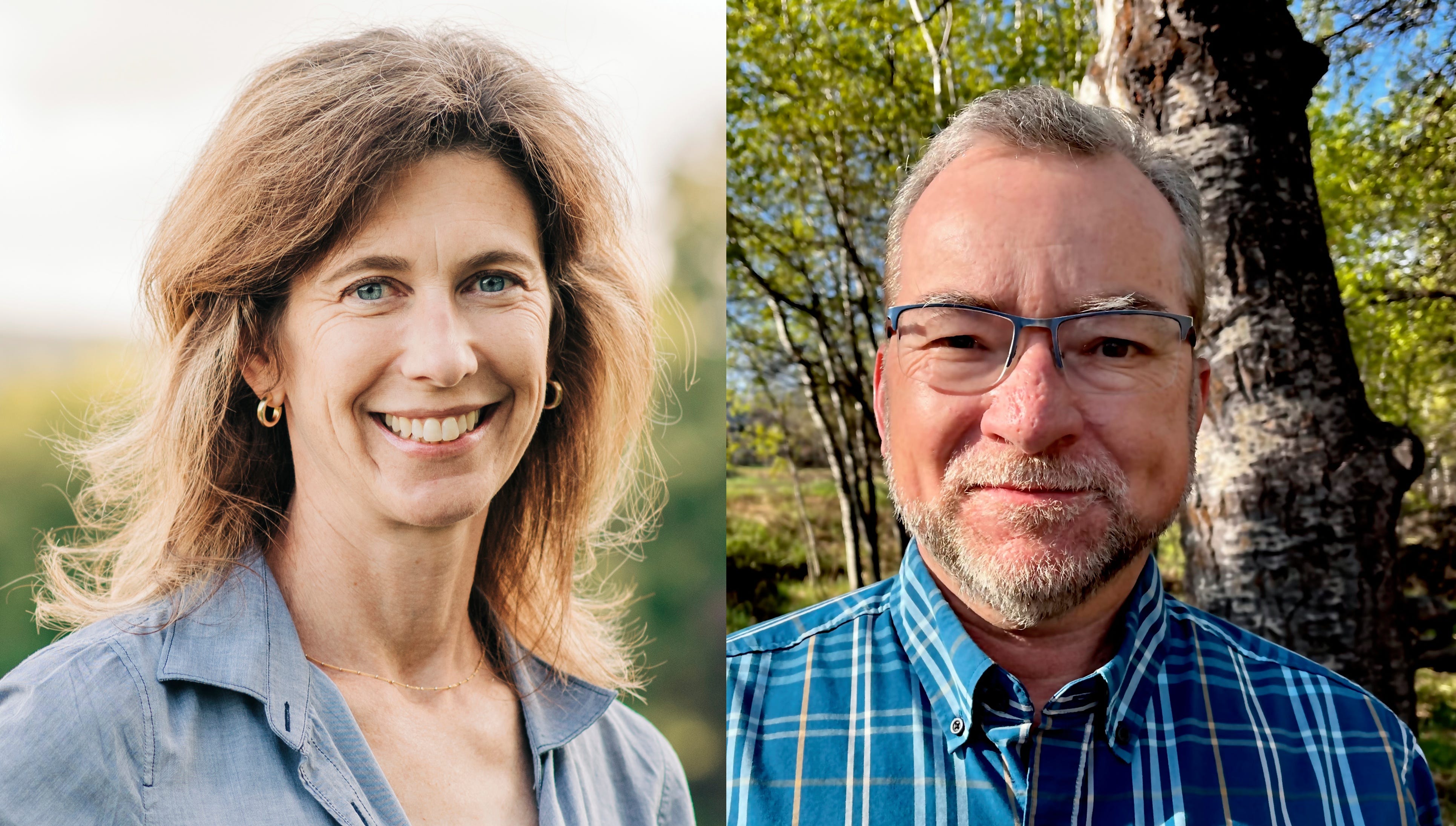
To discuss this and other findings of the report, I contacted Jessica Wilkinson (Power of Place project manager) and Nels Johnson (the project’s science and technology lead) of The Nature Conservancy. We discussed the technology shifts that will enable a lighter footprint, the policies that could help encourage them, and the best ways to avoid community resistance.
Alright, then. Jessica Wilkinson and Nells Johnson. Welcome to Volts. Thank you so much for coming.
Jessica Wilkinson
Thank you for having us.
Nels Johnson
Yeah, thanks for having us, David.
David Roberts
Jessica, let's start with you. The subject of land-use and renewable energy, there's a lot of weird information and misinformation floating around about this, a lot of weird myths, a lot of sort of people with strong opinions who don't know what they're talking about. So what inspired this series of reports, the Power of Place reports? What inspired you to start undertaking this project?
Jessica Wilkinson
Yeah, this is precisely one of the reasons that we were inspired to do this project under sighting, as usual. Like the way that we're proceeding now with a renewable energy build-out, we are seeing an increase in local opposition, and we are seeing concerns about land-use issues. And land-use and environmental issues are indeed kind of one of the obstacles that's popping up in the way of us being able to meet our clean energy goals and meet our clean energy goals rapidly. So we really started this work in California, which was the first time we kind of developed this Power of Place methodology and that refurbished report came out in 2019.
We refined it and then released Power of Place West in 2022. And this is kind of the next iteration where we further refined it. And each time we've kind of added new kind of levels of detail and asked some slightly different questions. But