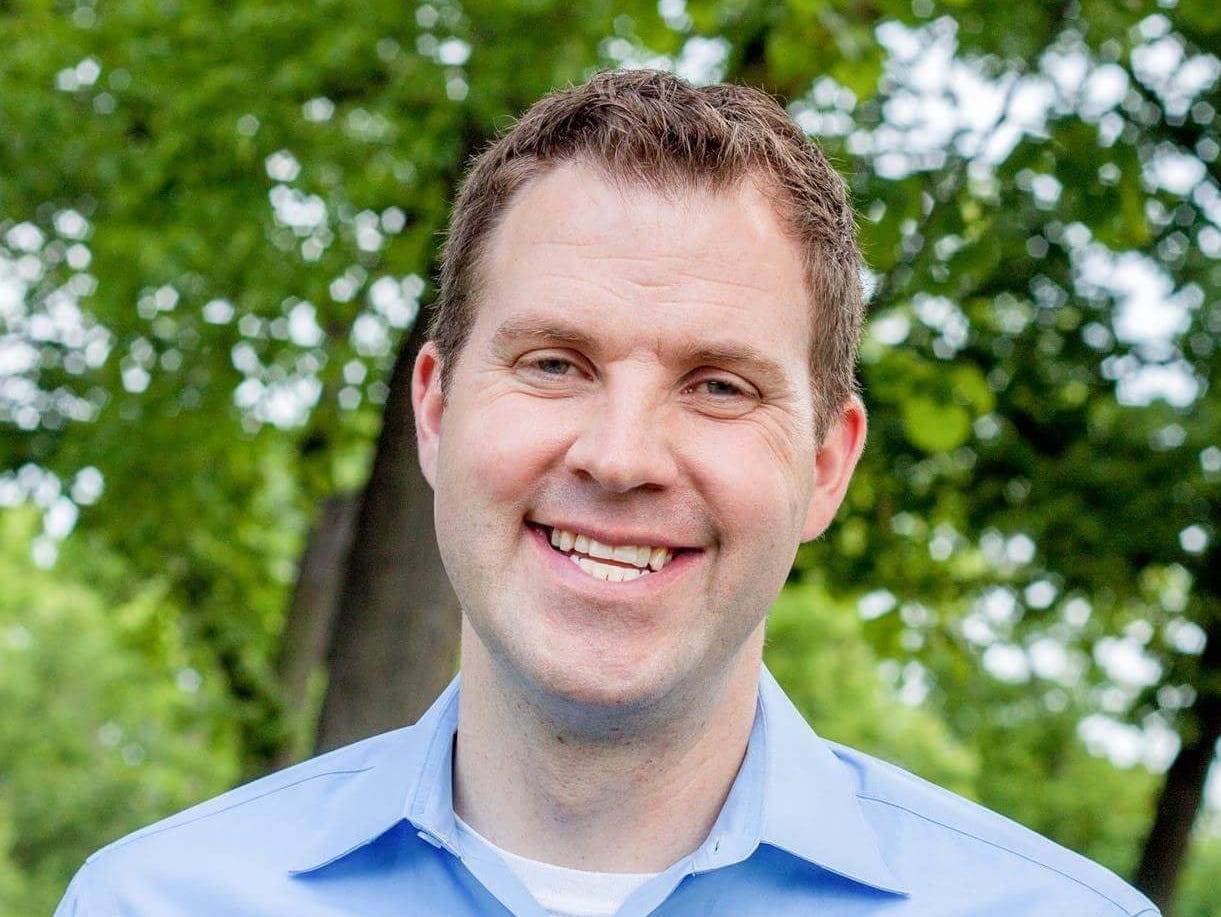
Minnesota sets out for zero-carbon electricity by 2040
A newly signed state law sets Minnesota on course to use 100 percent carbon-free electricity by 2040. In this episode, Minnesota House Majority Leader Jamie Long describes the decisive legislating that took an ambitious climate bill from introduction to the governor’s desk in the space of one month.
(PDF transcript)
(Active transcript)
Text transcript:
David Roberts
Back in 2019, I wrote for Vox that there is one weird trick states can use to ensure good climate and energy policy. That trick is: giving Democrats full control of the government. It has worked in California, Washington, Oregon, Colorado, Illinois, New Mexico, Massachusetts, New York, Hawaii — the list goes on.
As I covered in a pod a few months ago, the 2022 midterm elections brought Democrats full control — with trifectas of both houses of the legislature and the governor's office — in four new M states: Maryland, Massachusetts, Michigan, and Minnesota.
Does the one weird trick still work? Well, you’ll never guess what happened in Minnesota last week.
Gov. Tim Walz signed into law a historic piece of legislation that would set the state on a course to carbon-free electricity: 80 percent by 2030, 90 percent by 2035, and 100 percent by 2040.
My guest today is the bill’s primary author and sponsor, Minnesota House Majority Leader Jamie Long. Long, formerly legislative director for then–U.S. Rep. Keith Ellison (D-Minn.), was elected to the Minnesota legislature in 2018 and became majority leader this year. He worked closely with Senate sponsor Nick Frentz to shepherd the bill quickly through the legislature, with no extended conference committee.
It was an adept and decisive bit of legislating — not necessarily the norm for Democrats. I was excited to talk to Long about some of the ins and outs of the bill, the forces that supported and opposed it, and what's next for Minnesota energy policy.
All right, then. Representative Jamie Long of Minnesota, welcome to Volts. Thanks so much for coming. And I guess the first thing I should say is congratulations.
Jamie Long
Thank you. It's a big month out here in Minnesota.
David Roberts
Yeah, big news. I want to get into the actual bill and the actual targets and everything, but just let's do a brief bit of history to start with. You arrived in the Minnesota legislature in 2018. I'm curious when this bill was born, basically, how long has this been cooking?
Jamie Long
Sure. Well, this was my top-priority bill from my very first day I ran for office wanting to work on climate change and clean energy, and knew that 100% clean energy was the big bill that I wanted to focus my efforts on. So, we introduced this pretty early in my very first year in office. So actually, when we had the bill signing, I was looking back, and it was about four years to the week from when we had a bill signing that I'd introduced it. So, that was the first time we'd had 100% clean energy proposal in Minnesota, but we certainly had a lot of other renewable energy standards that had been tried and had failed over the years. The last time we'd updated our renewable energy standard was 2007 in the state.
David Roberts
2007. And that was, I'm guessing, the last time you had Democratic control over both Houses?
Jamie Long
No, in fact, it was broadly bipartisan. It was signed by Governor Tim Pawlenty, Republican governor, who later it became a political issue when he ran for President because the Republican primary voters were not that happy that he was a clean energy leader who took climate change seriously. But it got such broad bipartisan support, it was almost unanimous in the House and Sena