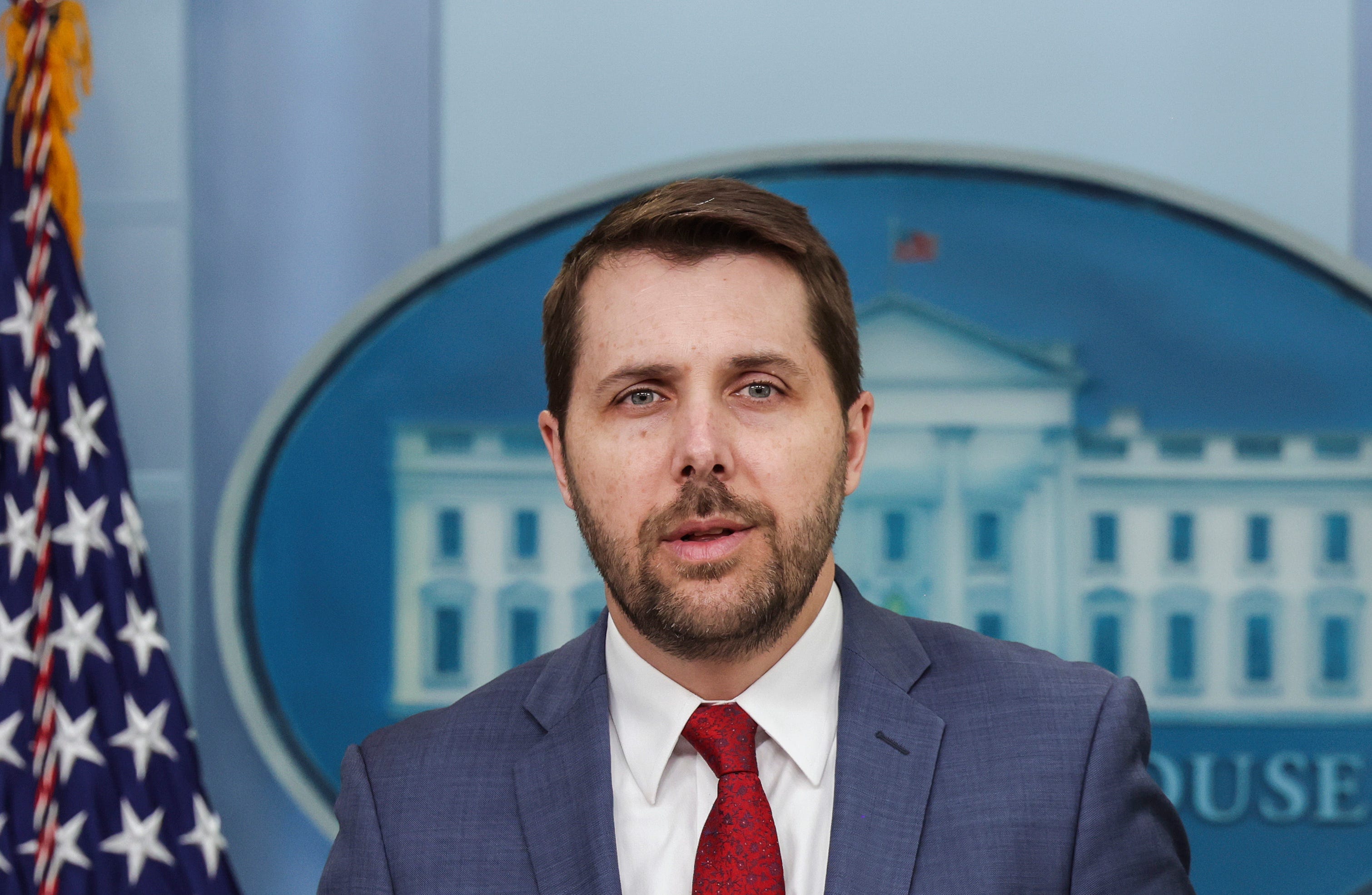
Meet the author of Biden's industrial strategy
In this episode, Brian Deese, outgoing director of the National Economic Council and an influential advisor to President Biden, discusses the opportunities and challenges in Democrats’ new focus on industrial policy.
(PDF transcript)
(Active transcript)
Text transcript:
David Roberts
Brian Deese has had a remarkable two years. As President Joe Biden’s top economic advisor and director the National Economic Council, he has played a key role in defining and implementing Biden's policy approach.
In April of last year, he delivered some “remarks on a modern American industrial strategy” that laid out a vigorous approach to investing in economic sectors deemed important to national and economic security.
And by all accounts Deese played a pivotal role in seeing the strategy into law, through the Infrastructure Investment and Jobs Act (IIJA), the CHIPS and Science Act, and the Inflation Reduction Act, which together amount to the greatest reinvestment in US infrastructure and manufacturing — and, specifically, clean energy industries — in generations.
The pivot to unapologetic industrial policy is a big change for Democrats. Deese has moved in those circles for a long time — ten years ago he was a young wunderkind advisor to Obama, making The New Republic’s list of “Washington's most powerful, least famous people” — so as he prepares to depart the administration, I was eager to talk with him about what the shift to industrial policy means, why the US needs to onshore key supply chains, and the work ahead for Democrats in implementing their new laws.
All right, then. Brian Deese, welcome to Volts. Thank you so much for coming.
Brian Deese
Oh, I'm really happy to be here.
David Roberts
I had, I'll say, a little banter, maybe a couple of jokes scheduled here for the front end of the pod. But then I looked at my list of questions for you, and we don't have time for any jokes, Brian. We don't have time for any banter.
Brian Deese
Very serious, very quick.
David Roberts
We got to get deadly serious right off the bat here. So let's start here in 2012. Ten years ago, you were the deputy director of the NEC under Obama. And in 2022, ten years later, you were the director of the NEC under Biden. And I'm just curious how things have changed, how America's sort of strategic economic outlook has changed in that ten years. And specifically, I'm curious whether the sort of vigorous investment in industrial policy that we're going to talk about here in a little bit, the kind of stuff that has been going on under Biden, whether you were recommending that to Obama at the time, or whether there's something importantly unique about this present moment.
Brian Deese
Well, look, I think a lot of the world has changed since that period, both in policy and economic terms. If you think back to 2012, we were both right on the back end of a historic and transformational policy accomplishment in the enactment of the Affordable Care Acts, which changed the fabric of our economic and social safety net in important ways right on the front end of that implementation. And at the same time, in a period of very challenging and slow recovery from the Great Recession that was made worse by a failure of policy, a failure of the ability for Congress to overcome Republican opposition at the time, to invest more, to try to help to drive a stronger recovery. You look over those ten years, we live through a period that a number of people have characterized as se