What's the deal with Iceland?
Iceland aims to be the world’s first carbon-neutral nation; thanks in large part to hydropower and geothermal, it’s well on track to meet that goal by 2040. In this episode, Halla Hrund Logadóttir of the Iceland Energy Authority reflects on the country’s energy history and looks to its ambitious future.
(PDF transcript)
(Active transcript)
Text transcript:
David Roberts
Iceland is an island just south of the Arctic Circle, perched directly atop a rift where two tectonic plates are drifting apart, exposing the magma below. It is a small country (physically about the size of Kentucky, with a population a little larger than Cleveland, Ohio’s), but what it lacks in size it makes up for in drama. It is a land of glaciers and volcanos, ice and fire, wind and rain and snow — and deep heat that makes them bearable.
I was there for four days last week, meeting with sustainability-related businesses, hearing about everything from micro-algae to grid monitoring to carbon recycling to using 100 percent of the fish. There’s an incredible amount of innovation going on there, and to my unending delight, a great deal of that innovation is in some way or another in a symbiotic relationship with geothermal, the heat and power that Icelanders pull from underground.
Iceland’s electricity is entirely carbon-free — roughly 70 percent hydropower and 30 percent geothermal — and so is its heating, 90 percent of which is geothermal. Overall, 85 percent of its energy consumption is carbon-free, and it is aiming for 100 percent by 2040.
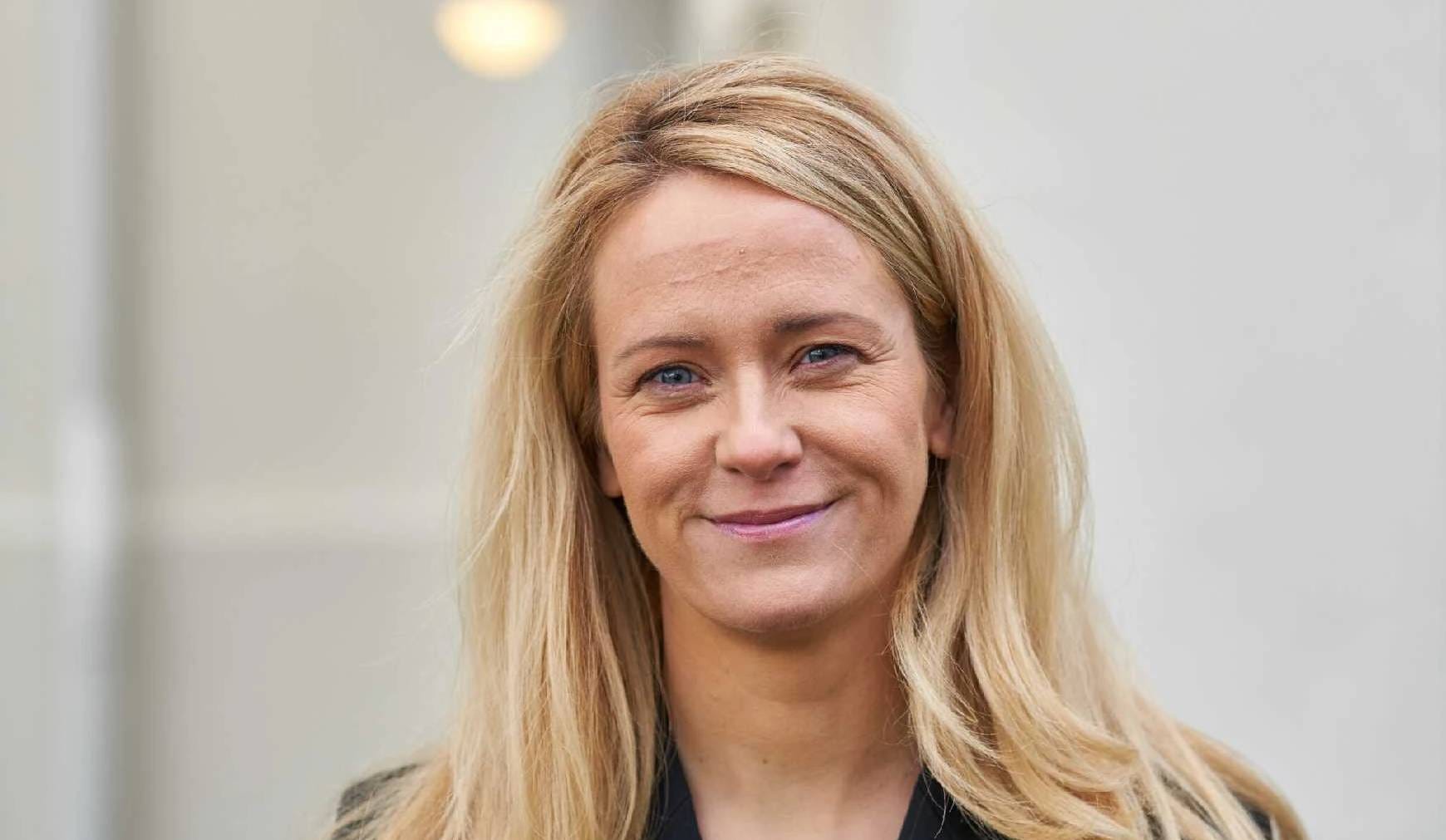
To hear more about all this, I visited the Reykjavik office of Halla Hrund Logadóttir, who runs Iceland’s National Energy Authority, overseeing the country’s electricity system. She used to teach at the Iceland School of Energy at Reykjavik University and now teaches at the Harvard Kennedy School, where she co-founded the Arctic Initiative and founded the Arctic Innovation Lab.
There’s no one with a better sense of the overall state of Iceland’s energy situation. We talked about the country’s history with geothermal, its current energy mix and policies, and its race to become the world’s first fully carbon-neutral nation.
I'm here with Halla, who — I'm going to call you by your first name. Will you say your name for us?
Halla Hrund Logadóttir
So I'm Halla Hrund Logadóttir. One of these Icelandic simple names.
David Roberts
Yes, extremely. That is extremely Icelandic. And you're head of the National Energy Authority? National Energy Authority here in Iceland. And I've been visiting Iceland here for the last three or four days, visiting lots of startups and sustainable businesses of various kinds, and have found it absolutely fascinating, much more than I expected. Such a unique — so many things about Iceland in general, but Iceland's energy situation that are just absolutely unique and fascinating. So maybe the place to start is you could just tell our American audience, which is, you know, Americans are not known for their deep knowledge of other countries —
So maybe we could just start by a little history of Iceland and geothermal, which is, I think, the sort of origin story of Iceland's current situation. Maybe just tell us what happened back in the 60s and 70s and why and sort of what the result is.
Halla Hrund Logadóttir
Absolutely. And I think just to kind of start where we are at today and then looking back: Today, nine out of ten houses in the country are heated with geothermal, and overall, 85% of our primary energy use comes from renewables. So the hydropower is the other main source of electricity production, basically. But the heating mainly co