Minnesota forces transportation planners to take climate change seriously
In this episode, Minnesota State Representative Larry Kraft shares about the state’s ambitious, progressive transportation policy, which includes climate accountability measures that no other state has implemented.
(PDF transcript)
(Active transcript)
Text transcript:
David Roberts
In 2022, Democrats narrowly won a trifecta in Minnesota — House, Senate, and governor — whereupon they launched into an absolute frenzy of activity, passing bills on everything from abortion to paid leave to gun control to free school lunch to clean energy. Vanity Fair called it a “tour de force for progressive legislation.”
I covered the state’s new clean-energy law on a previous pod, but I also wanted to take a closer look at the big transportation bill that was signed in May. It passed somewhat under the radar, but it’s got some very cool stuff in it.
One key feature is that it requires both state and municipal transportation-planning agencies to take the state’s climate goals into account when assessing new projects — to hold themselves accountable to those goals. As obvious as that may seem, it’s not something any other state has done.
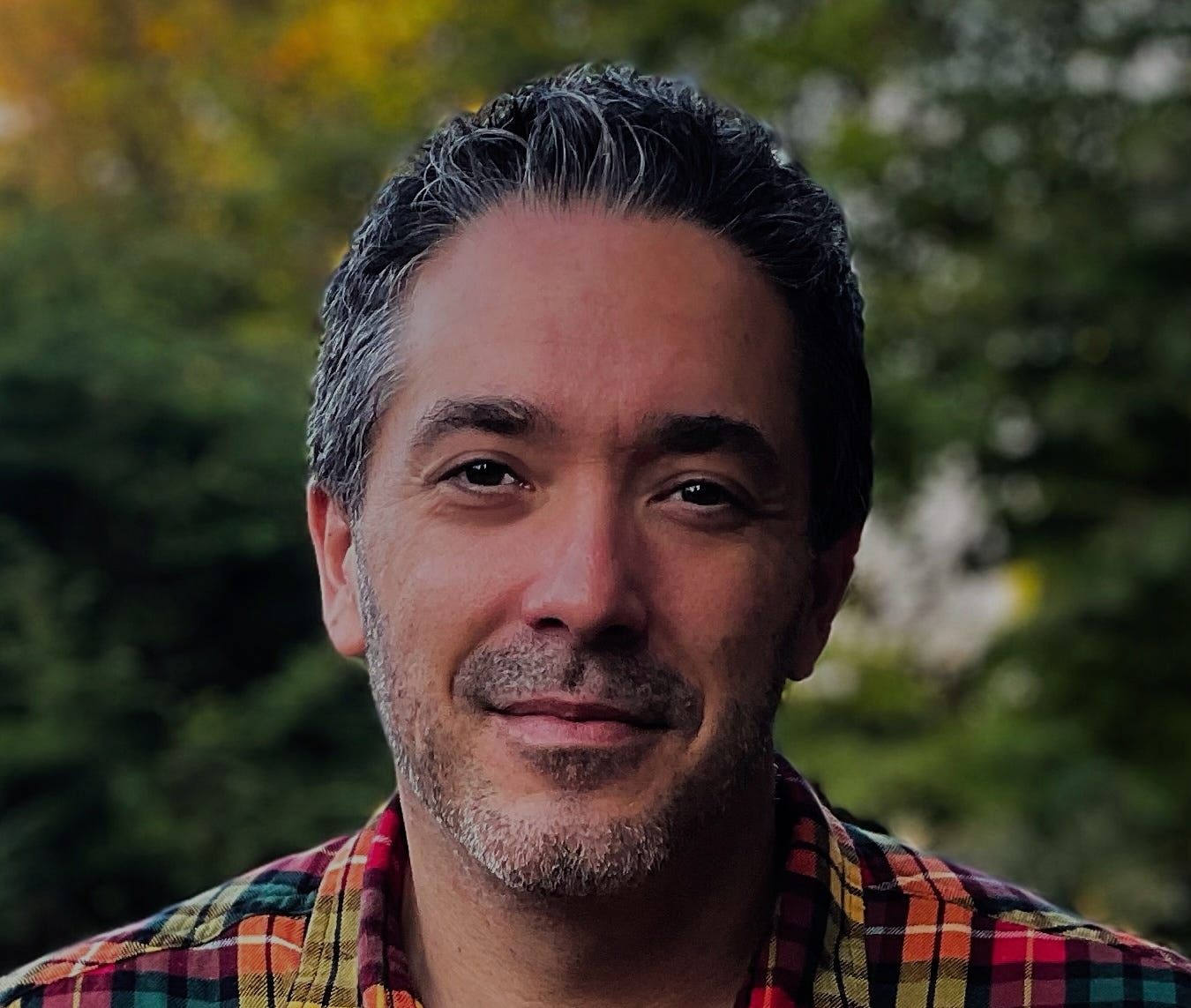
To discuss the significance of this and some other provisions of the bill, I contacted one of its primary authors, first-term state Representative Larry Kraft (D). We talked about what these changes mean for transportation planners, the kinds of transportation projects that can reduce emissions, the new money the state will raise for public transit, and the state’s new e-bike incentive (!).
By the way, if you enjoy this conversation, you should know that Kraft co-hosts a podcast of his own, on climate policy in small and mid-sized cities. It’s called City Climate Corner, with co-host Abby Finis. Check it out.
All right, then, with no further ado, Representative Larry Kraft of Minnesota. Welcome to Volts. Thank you so much for coming.
Larry Kraft
Oh, my gosh. Thank you for having me. I'm super excited to be here.
David Roberts
This is cool. You are a freshman legislator. You entered the Minnesota legislature in 2022, last year. It's sort of hilarious to me: You slipstreamed into the most exciting and productive legislative session for Democrats in living memory that I'm aware of. Like, I hope, you know, on some level, this is not what politics is normally like, Larry.
Larry Kraft
Yeah, I have good timing. And I tell you, I hear that. And what I tell people is, you know "I'm sure you're right. But at this point, it's all I know. So let's keep going."
David Roberts
Yeah, you just go in and you start passing bills, changing things right and left, wow. The Minnesota success story, I think people have heard a lot about it by now. There's more bills than you can shake a stick at, more progress, just a wild amount of progress. But let's focus on transportation. So Minnesota is similar to many other states in that transportation has become the largest source of greenhouse gases in the state. I think it's 25% —
Larry Kraft
Yeah, 25, 27%.
David Roberts
- in Minnesota. So this is sort of my overall impression: Especially at the state level, is there's been this sort of, like, parallel tracks going for a while now of on the one side, happy climate talk, which ends up mostly focused on the easy stuff, which is electricity, right? And th