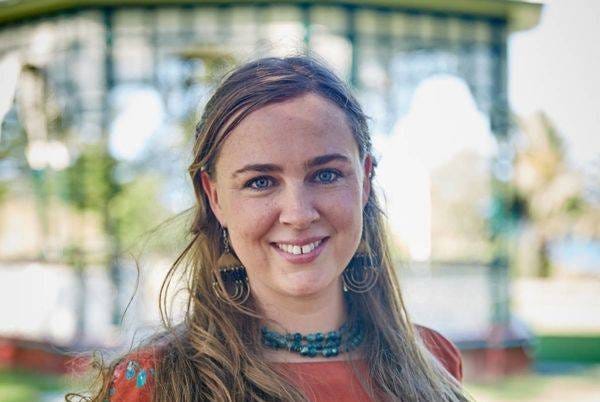
Getting local communities on board with renewable energy, Australia edition
In this episode, Jarra Hicks of the Australian nonprofit Community Power Agency talks about addressing rural resistance to clean energy infrastructure through effective community engagement.
(PDF transcript)
(Active transcript)
Text transcript:
David Roberts
To hit its climate targets, the US must build an enormous amount of new clean energy infrastructure. Much of that infrastructure is going to be built in rural communities, and the resistance of those communities to that infrastructure is one of the greatest threats to the clean energy transition.
I've done a couple of pods on this subject and will probably do more. Today, we're going to get something of an international perspective.
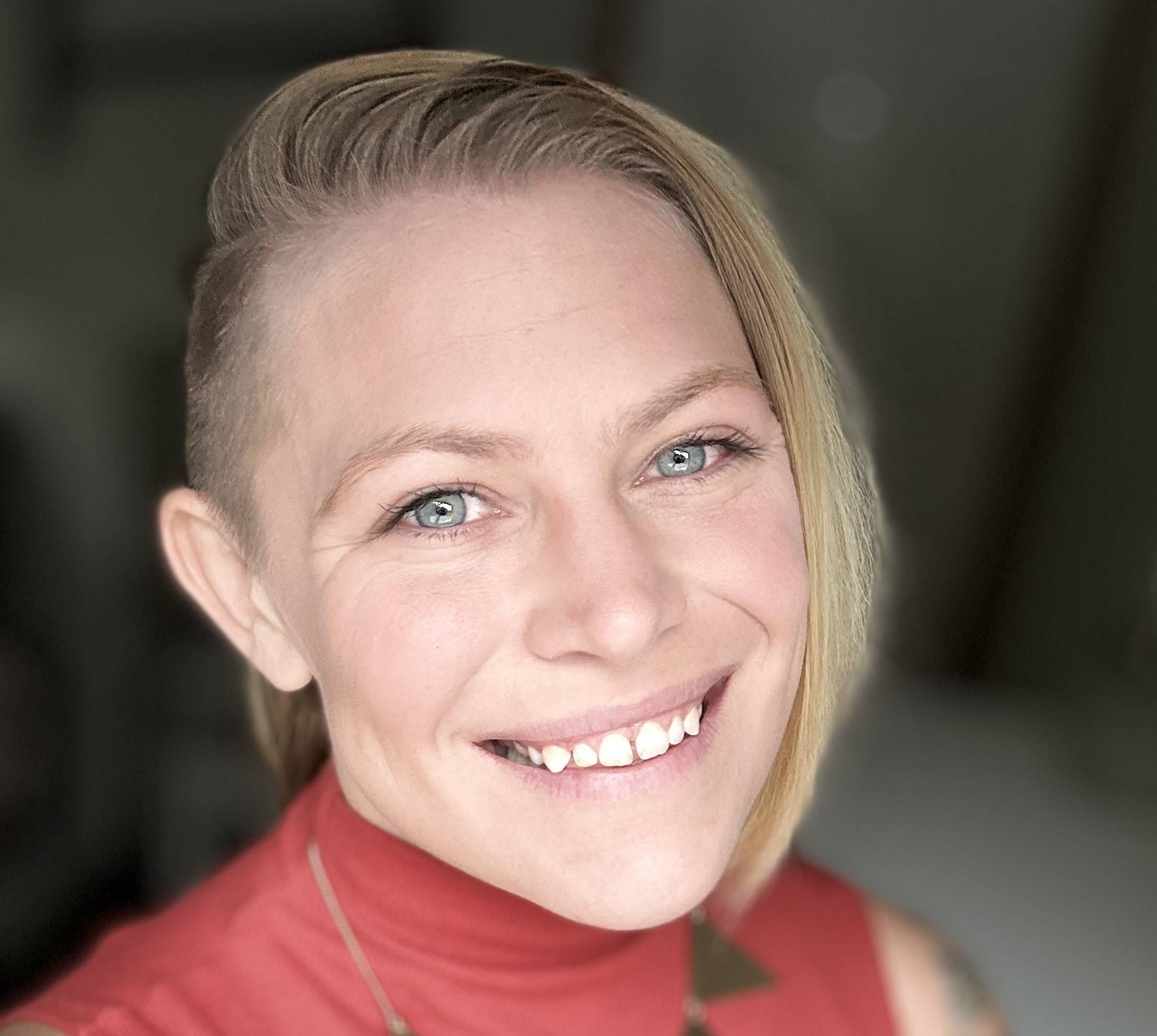
When I was in Australia, I interacted with a broad network of scholars and activists who are thinking seriously about the social mechanics of community buy-in. One of those scholars and activists is Jarra Hicks, who got her PhD at the University of New South Wales with a dissertation on community-owned wind farms in rural (or as they call them in Australia, “regional”) communities. She now runs the Community Power Agency, a nonprofit organization that is working to ensure a “faster and fairer transition to clean energy.”
Among other things, Hicks has co-authored a benefit-sharing guide and runs an online benefit-sharing course, both meant to help renewable energy developers better navigate this tricky territory.
I've been meaning catch up with Hicks ever since I returned from Australia. Last week I finally got the chance — we talked about the problem of rural resistance, the balance between community engagement and speed, and the many varieties of benefit sharing. I think it will be clear to everyone how this knowledge transfers into the US context. I enjoyed it immensely and hope you do too.
All right then. Jarra Hicks, welcome to Volts. Thank you so much for coming.
Jarra Hicks
Yeah, thanks for having me.
David Roberts
This is a topic of great, great interest in the U.S. right now, but I thought it would be interesting to get a perspective from another country as well, especially since you seem to have devoted your life to learning about this. So I think there are going to be some lessons that are transferable, but let's just start maybe with how you came to this subject of your PhD and of your professional work.
Jarra Hicks
Yeah, sure. So I was really lucky. I got the chance to visit a lot of communities that were doing renewable energy projects, and these were communities that were really embracing renewables. They loved renewables and they were getting great outcomes for their communities and for the planet. And I wanted to see more of that. I wanted to see more communities who were really passionate about renewables and able to get a lot of great benefits from being involved in the energy transition. And I wanted to see more communities who felt positive about this change. And if we go back, I first got involved in this in the early two thousands.
And at that time, there were a lot of communities who were pushing for more renewable energy uptake. And in Australia at that time, there really wasn't a ton of renewable energy, and probably similar in the states, communities were really wanting to get behind renewable energy as a means of taking action on climate change. And at that time, there was an absence of national policy supporting renewables. So it was about a grassroots