The trouble with net zero
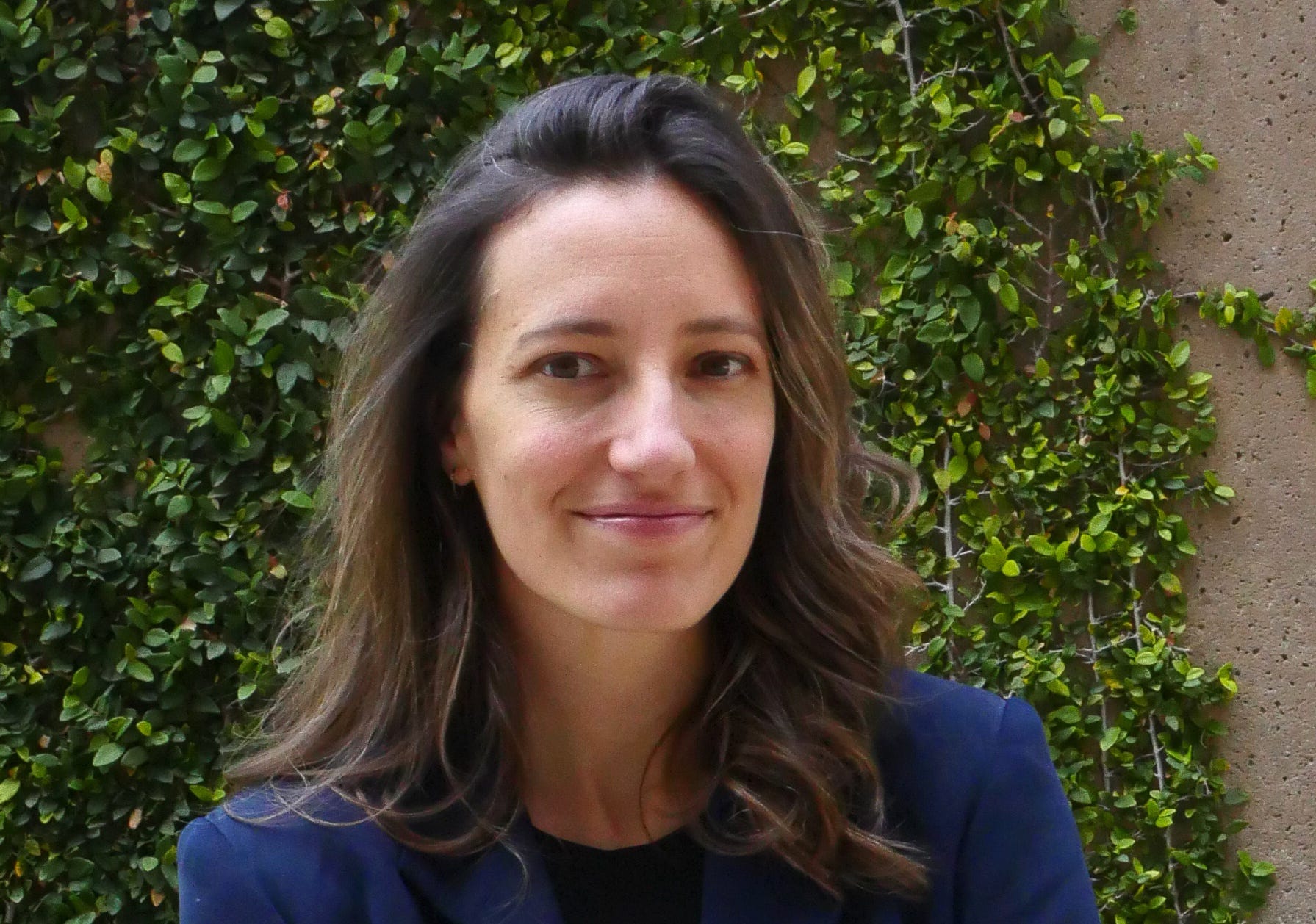
In this episode, environmental social scientist Holly Jean Buck discusses the critique of emissions-focused climate policy that she laid out in her book Ending Fossil Fuels: Why Net Zero Is Not Enough.
(PDF transcript)
(Active transcript)
Text transcript:
David Roberts
Over the course of the 2010s, the term “net-zero carbon emissions” migrated from climate science to climate modeling to climate politics. Today, it is ubiquitous in the climate world — hundreds upon hundreds of nations, cities, institutions, businesses, and individuals have pledged to reach net-zero emissions by 2050. No one ever formally decided to make net zero the common target of global climate efforts — it just happened.
The term has become so common that we barely hear it anymore, which is a shame, because there are lots of buried assumptions and value judgments in the net-zero narrative that we are, perhaps unwittingly, accepting when we adopt it.
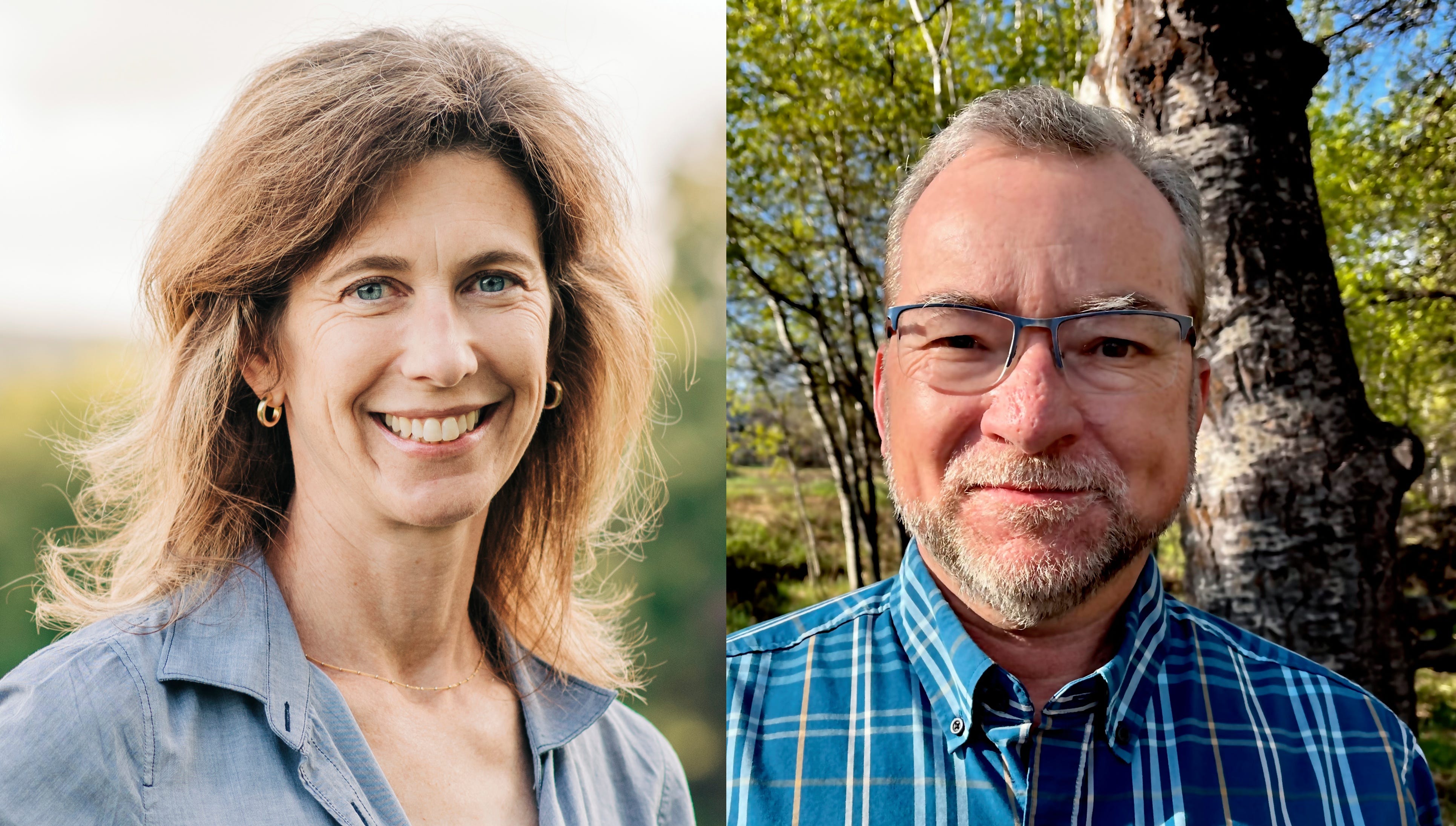
Holly Jean Buck has a lot to say about that. An environmental social scientist who teaches at the University at Buffalo, Buck has spent years exploring the nuances and limitations of the net-zero framework, leading to a 2021 book — Ending Fossil Fuels: Why Net Zero Is Not Enough — and more recently some new research inNature Climate Change on residual emissions.
Buck is a perceptive commentator on the social dynamics of climate change and a sharp critic of emissions-focused climate policy, so I'm eager to talk to her about the limitations of net zero, what we know and don't know about how to get there, and what a more satisfying climate narrative might include.
So with no further ado, Holly Jean Buck. Welcome to Volts. Thank you so much for coming.
Holly Jean Buck
Thanks so much for having me.
David Roberts
It's funny. Reading your book really brought it home to me how much net zero had kind of gone from nowhere to worming its way completely into my sort of thinking and dialogue without the middle step of me ever really thinking about it that hard or ever really sort of like exploring it. So let's start with a definition. First of all, a technical definition of what net zero means. And then maybe a little history. Like, where did this come from? It came from nowhere and became ubiquitous, it seemed like, almost overnight. So maybe a little capsule history would be helpful.
Holly Jean Buck
Well, most simply, net zero is a balance between emissions produced and emissions taken out of the atmosphere. So we're all living in a giant accounting problem, which is what we always dreamed of, right? So how did we get there? I think that there's been a few more recent moments. The Paris agreement obviously one of them, because the Paris agreement talks about a balance between anthropogenic emissions by sources and removals by sinks. So that's kind of part of the moment that it had. The other thing was the Special Report on 1.5 degrees by the Intergovernmental Panel on Climate Change, which further showed that this target is only feasible with some negative emissions.
And so I think that was another driver. But the idea of balancing sources and sinks goes back away towards the Kyoto Protocol, towards the inclusion of carbon sinks, and thinking about that sink capacity.
David Roberts
So you say, and we're going to get into the kind of the details of your critique in a minute. But the broad thing you say about net zero is that it's not working. We're not on track for it. And I guess intuitively, people might think, well, you set an ambitious target and if you don't meet that target, it's not the target's fault, right. It's not the target's reason you're failing. So what do you mean exactly when you say net zero is not wor