Maryland finds a more just & politically durable way to fund offshore wind
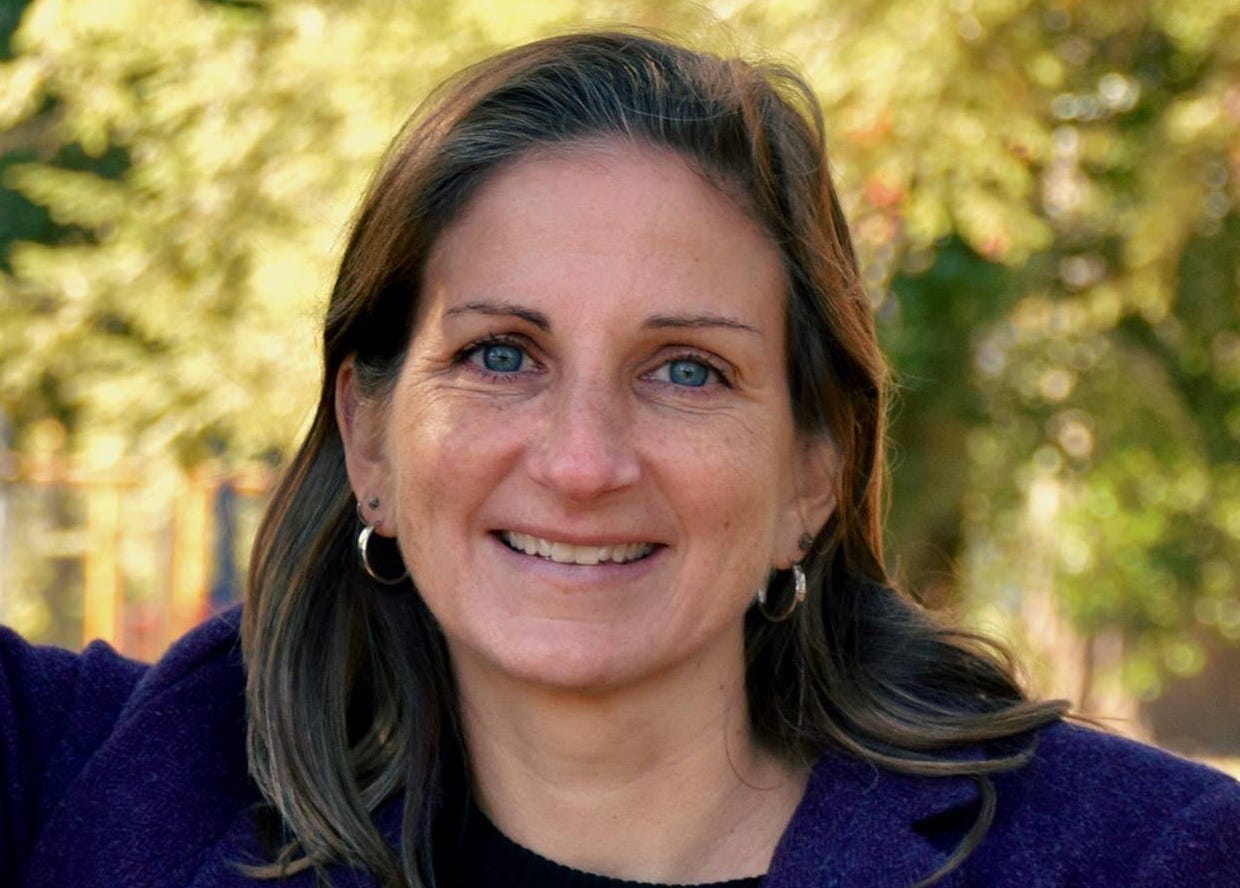
In this episode, Maryland state Delegate Lorig Charkoudian, author and primary sponsor of the state’s newly passed Promoting Offshore Wind Energy Resources (POWER) Act, shares about the exciting policy innovations embedded in the ambitious bill and what they have the chance to accomplish.
(PDF transcript)
(Active transcript)
Text transcript:
David Roberts
Maryland was one of the first states in the US to see the potential of offshore wind energy. It passed its first offshore wind bill in 2013, and another supportive bill in 2019, but a few weeks ago, the Maryland General Assembly passed, and newly elected Democratic Governor Wes Moore signed, a bill that dwarfs both of those predecessors.
Whereas the state’s previous target was 2.5 gigawatts of offshore wind energy, the Promoting Offshore Wind Energy Resources (POWER) Act targets 8.5 gigawatts.
But that is just the headline. Underneath that target are clever new policy innovations that promise to make the funding and development of offshore wind energy more politically resilient and economically just for the long term, and to bring thousands of offshore-wind supply-chain jobs to the state. And the whole process is going to be turbocharged by the tax credits in the Inflation Reduction Act.
I love me some clever policy innovations, so I was eager to talk to the bill’s author and primary sponsor, Delegate Lorig Charkoudian, about who will pay for the new offshore wind, the transmission backbone that can help accelerate development, and the high-paying union jobs that will be created by the industry.
All right, then, without further ado, delegate Lorig Charkoudian. Welcome to Volts. Thank you so much for coming.
Lorig Charkoudian
Thanks for inviting me. It's a thrill to be here.
David Roberts
I love a good policy talk. I love a good policy.
Lorig Charkoudian
Me too.
David Roberts
And this Maryland bill is a delight, so I'm excited to get into it. The first thing to say is promoting offshore wind energy resources where you get "power" as an acronym. Just well done, good acronym work. I don't know who on your staff is responsible for that, but I love a good acronym.
Lorig Charkoudian
And I have to say the advocates always give me a hard time because I write brilliant policy and then I have terrible names. So on this one, Jamie from Chesapeake Climate Action Network came up with a name, and they were key on getting the bill passed too.
David Roberts
Awesome.
Lorig Charkoudian
That worked out well.
David Roberts
The Power Act. So before we jump into this, this is a bill about offshore wind in Maryland. Just to set everybody's expectations. Before we jump in, though, I want to back up a little bit and talk about offshore wind in Maryland. My understanding is that Maryland passed its first offshore wind bill in 2013, and then there was another bill in 2019. And yet, as far as I'm aware, there is no operating offshore wind off the coast of Maryland. Why is that? What's gone on in the history of this industry in this state that there's kind of so much hype and so little actual wind turbines?
Lorig Charkoudian
Yeah, well, it's a real challenge and it's kind of the story of renewable energy the challenges of renewable energy and offshore wind in a lot of places. So we were first out of the gate in 2013, one of the first on the East Coast, and then we had a couple of things happen. And so first we had the — Ocean City fought really hard against having the wind actually built. The Hogan administration really pandered to the Ocean City opposition. And so there were a bunch of sort of slow walking things that happened at the Public Service Commission.
David Roberts
You got nimbied.
Lorig Charkoudian
Yes. So you've heard that before. So we had that going on. And then that